
Not all surveys are the same. One of the most common misunderstandings property owners have is assuming that any survey will answer every question about their land. In reality, surveys come in different degrees, and the intent for which a survey is requested directly determines what the survey can—and cannot—be used for.
Why Surveyors Ask So Many Questions Up Front
When a surveyor asks:
• “What are you using this survey for?”
• “Are you building near the line?”
• “Is this for title, construction, or planning?”
…it’s not questions for the sake of asking questions—it’s professional responsibility.
The intent of the survey determines the degree of care required, and state law holds surveyors accountable for matching their work to that intent.
Understanding this distinction can save time, money, and serious legal trouble. Some common examples include:
• Mortgage or Title Survey – These are usually performed at the point of sale. They are used as legal documents to determine the basic relationship between the property line and any improvements on site. These surveys are primarily used to determine if there are encroachments or other title restrictions that could affect or delay a sale.
• Boundary Survey for Permit – Performed by private contract and sometimes required by the township or other governing body.
• Engineering Survey – Performed before the design of new construction or an addition. These surveys require the mapping of property topographic features and any utility information on the property or in the road contiguous with the property.
• Construction and Residential Stakeout – Done after the boundary surveying and design has been completed. This is when the surveyor uses boundary information alongside design information to mark the physical locations of improvements in the field.
• As-Built Survey – Shows the measured location of improvements relative to the boundary line. This is how the permitting authority ensures that the improvements were built to the design specifications.
Why the Intent of the Survey Matters
Surveyors are required to perform work based on the intended use of the survey. The intent dictates:
• The amount of research required
• The level of precision and redundancy
• Whether boundary law principles must be applied
• What conclusions can legally be drawn
For example:
• A mortgage survey may be acceptable for a bank closing
• The same survey may be inadequate for building a fence, resolving a dispute, or subdividing land
Using a lower-degree survey for a higher-risk purpose is like using a sketch when a blueprint is required.
Make sure that whichever surveyor you use to perform your boundary survey understands the intent of the work.
Legal and Practical Consequences
When survey intent is misunderstood or ignored, problems often follow:
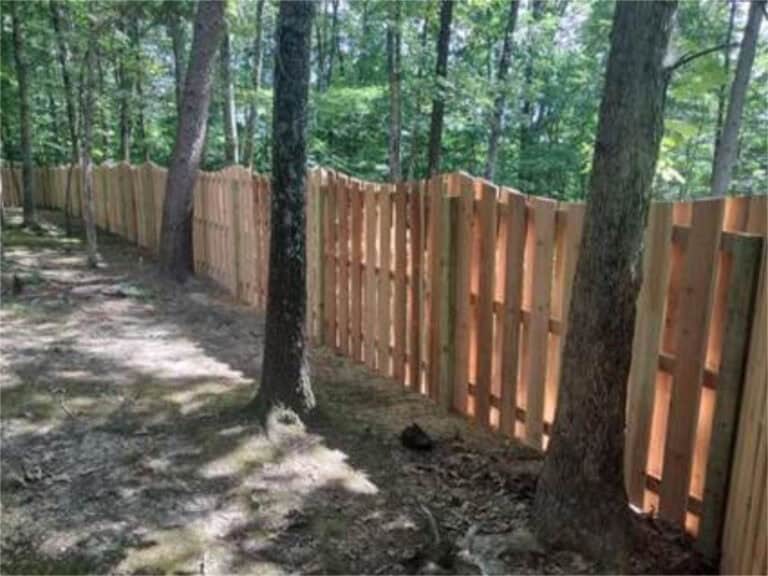
• Fence or building encroachments
• Boundary disputes with neighbors
• Title insurance exceptions
• Costly redesigns or removals
• Delayed or failed real estate closings
Surveyors often include notes clarifying what the survey was—and was not—prepared for to protect both the client and the public.
In Conclusion
There is no such thing as a “one-size-fits-all” survey.
A survey prepared for one purpose may be legally insufficient for another. Knowing why you need a survey is just as important as getting one in the first place.
If it affects ownership, construction, or legal rights—make sure the survey you request is the right degree for the job.
When in doubt, ask your surveyor what level of survey your project truly requires.