
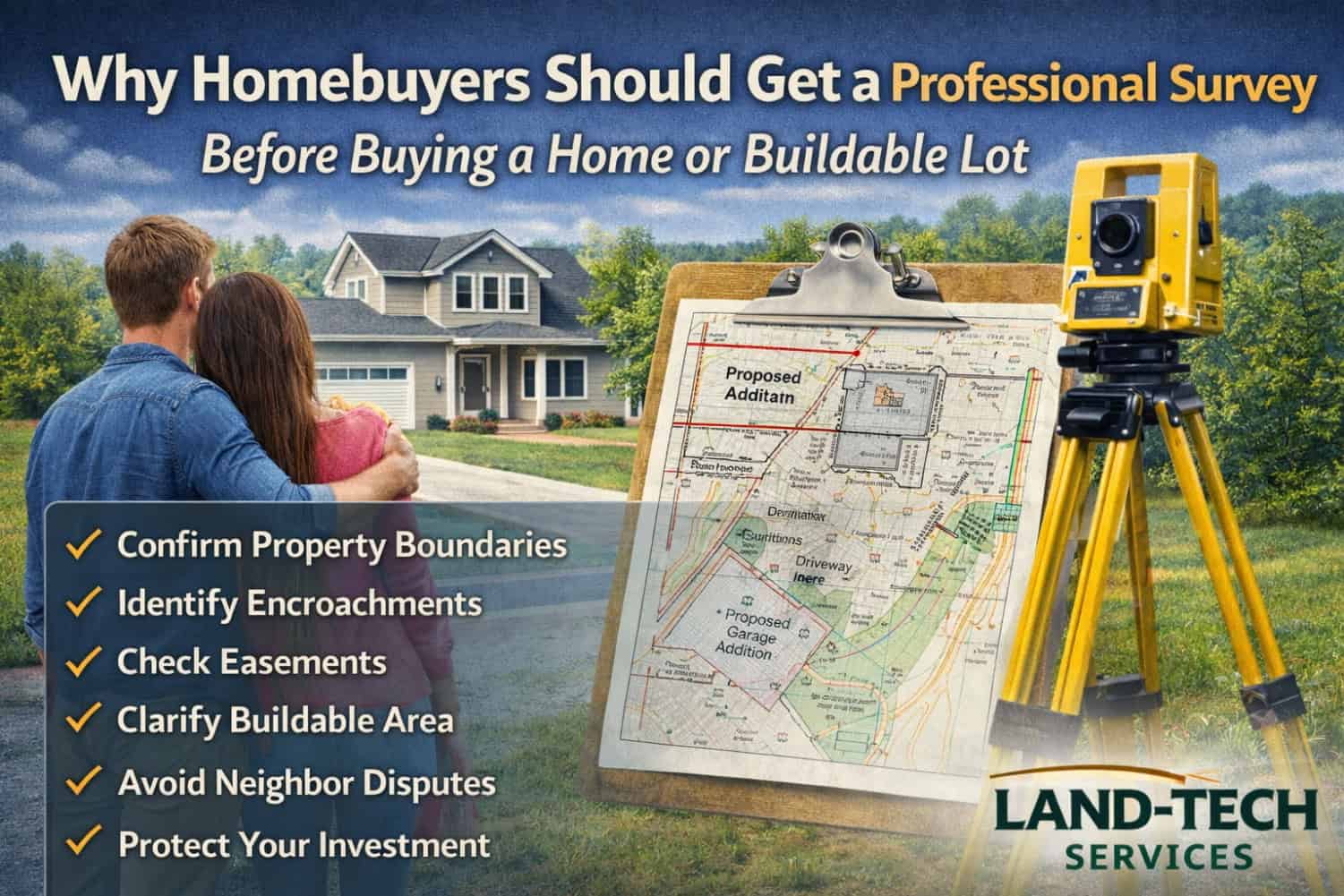
Buying a home or development lot is one of the biggest financial decisions most people ever make. And while inspections, appraisals, and title work are common parts of the process, one step that often gets overlooked is also one of the most protective:
A professional land survey.
A survey helps you understand exactly what you’re buying—where the property boundaries are, how improvements relate to those boundaries, and whether there are any red flags that could turn into expensive surprises after closing.
1) Confirm What You’re Actually Buying
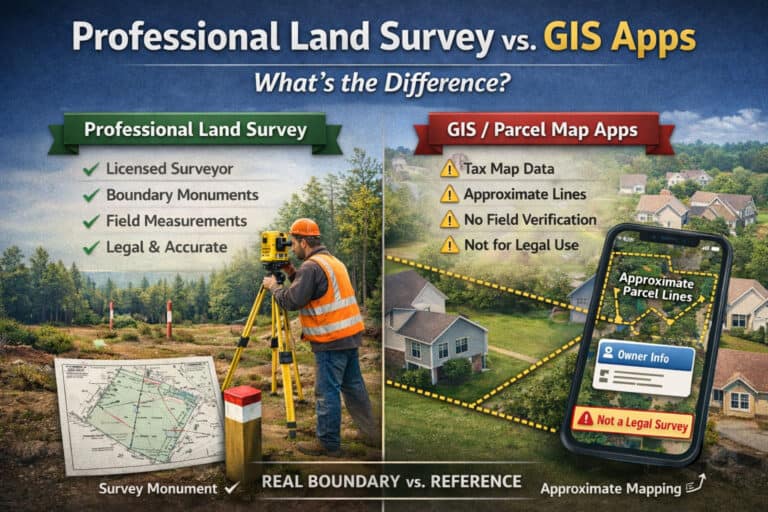
Listings, tax maps, and online parcel viewers are great for reference, but they’re not designed to establish legal boundaries on the ground.
A professional survey can:
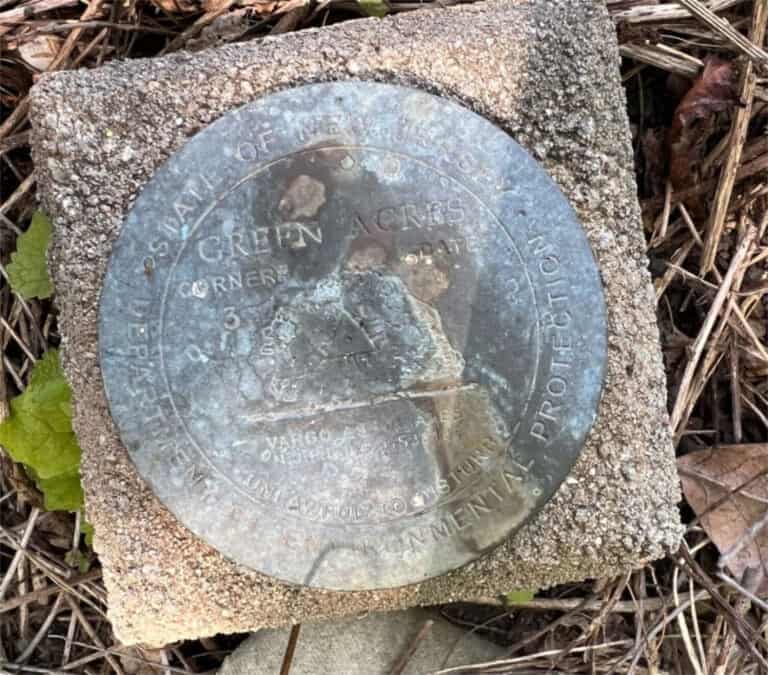
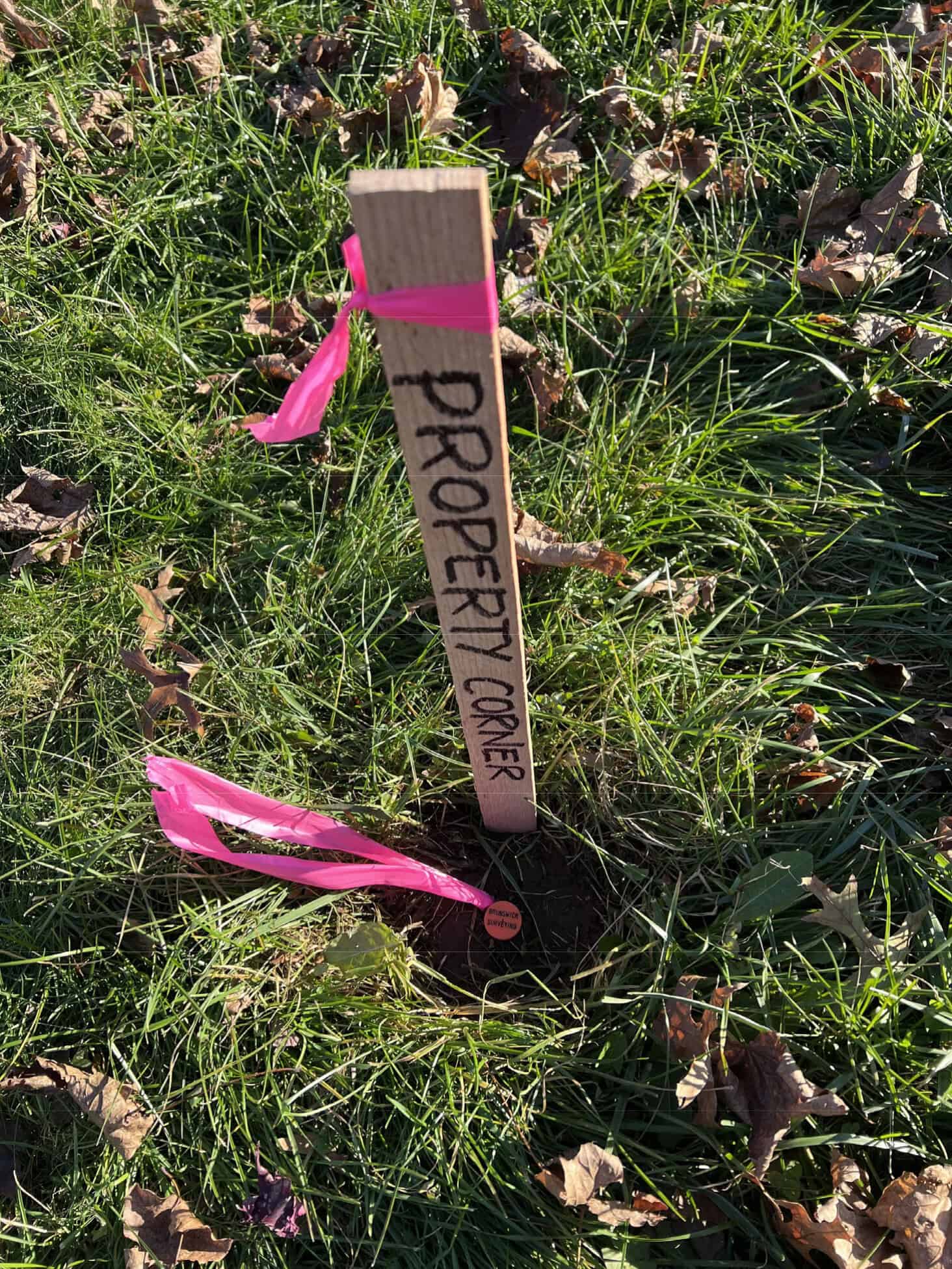
- Locate or re-establish property corners (where possible)
- Show boundary lines in relation to real-world features
- Identify any differences between what’s assumed and what’s documented
This is especially valuable on larger lots, wooded properties, corner lots, and older neighborhoods where monuments may be buried or disturbed.
2) Identify Encroachments Before They Become Your Problem
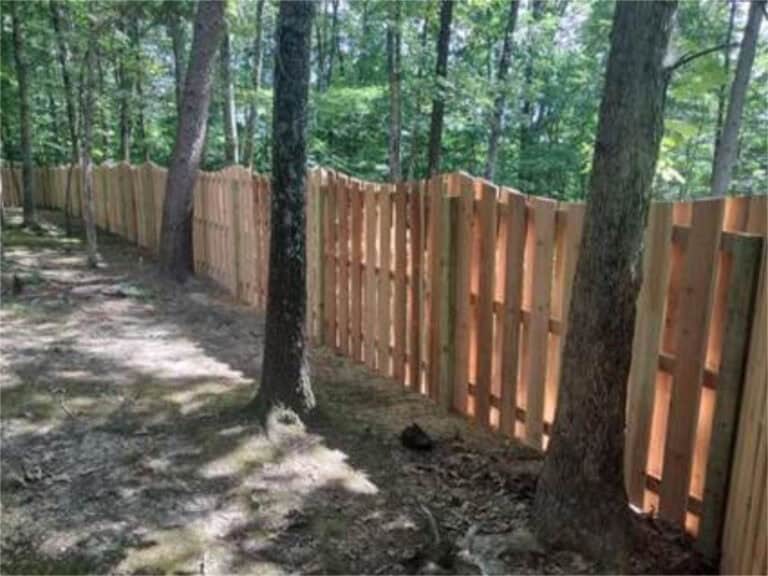
Encroachments are improvements that cross a property line—sometimes by inches, sometimes by feet. Common examples include:
- Fences
- Driveways
- Sheds, garages, or additions
- Retaining walls
- Pools, patios, or utilities
A survey can reveal if something is over the line before you buy—so you can address it during negotiations, request corrections, or decide whether the risk is acceptable.
3) Understand Easements and Use Restrictions
Many properties include easements—areas where someone else has specific legal rights. Examples include:
- Utility easements (power, gas, water, sewer)
- Drainage easements
- Access or shared driveway easements
- Conservation or deed-restricted areas
A survey can help you see how easements affect your plans. That matters if you’re hoping to build:
- A pool
- A garage or addition
- A driveway or detached structure
- A fence or wall
If a portion of the yard you planned to use is heavily encumbered, it’s much better to find out before closing.
4) Reduce Permit and Design Surprises Later
Even if you’re buying a home (not building right away), many homeowners eventually want to:
- Install a fence
- Add a deck or patio
- Build an addition
- Add a pool
- Regrade or improve drainage
A survey provides a reliable baseline for future plans and can speed up design work later—especially if your municipality requires accurate boundary and setback information for permits.
5) Confirm Setbacks and Buildable Area on a Development Lot
If you’re purchasing a lot to build on, a survey becomes even more important. A buildable lot is not just about acreage—it’s about usable acreage.
A professional survey can help your team evaluate:
- Boundary and lot dimensions
- Road frontage and access
- Existing monuments and property line evidence
- Potential constraints that impact where a house can go
And if you pair a boundary survey with topography (when needed), you can better anticipate:
- Driveway grades
- Drainage patterns
- Retaining wall needs
- Overall site feasibility
6) Avoid Neighbor Disputes
Property line disagreements often start with assumptions:
“I thought the fence was on the line.”
“I’ve always mowed up to that tree.”
“The driveway has always been there.”
A survey reduces the guesswork and gives you documented information you can rely on. Even if you never end up in a dispute, it’s a huge relief to know where things stand.
7) Protect Your Investment and Strengthen Negotiations
When issues are found before closing, you have options:
- Ask the seller to correct a problem
- Request a price adjustment
- Clarify rights and responsibilities (shared driveways, access, etc.)
- Walk away if the risk is too high
In many cases, a survey doesn’t just “find problems”—it helps you avoid paying for them.
When Is a Survey Most Important?
While a survey can benefit almost any purchase, it’s especially important when:
- The lot is large, wooded, or irregularly shaped
- There are fences, driveways, or outbuildings near the edges
- The neighborhood is older and monuments may be disturbed
- You plan to build, expand, or add a pool soon
- The property has a shared driveway or questionable access
- You’re buying a vacant lot for development
Bottom Line
A professional survey is one of the best ways to reduce uncertainty before you buy. It helps confirm boundaries, reveal encroachments, clarify easements, and identify site constraints—so you can move forward with confidence.
If you’re purchasing a home or development lot and want a survey that supports real decisions, Land-Tech Services can help you understand the property before you close.